Heljan 30023
LNER U1 - LNER Unlined Black - 9999 - OO Scale - DCC Sound Fitted

Manufacturer catalogue image - please note that pre-release images may be CAD renders or CGI/AI images rather than photographs
Prototype Era
Era 3 (1923 to 1947) The Big Four (LNER, LMS, GWR and SR)
Manufacturer description
Packed with authentic details specific to period and livery, our ‘U1’ will be the ultimate expression of steam power for ‘OO’ layouts and a must for collectors of historic locomotives.
The model is currently in tooling and we expect to receive the first working samples for review in January 2024 with first releases planned for early-2025.
- High Quality Design & Construction
- Twin Motor/Flywheel Drive
- Working LED lamps
- 21-pin DCC Interface
- DCC Ready and DCC Sound Options
- Factory Fitted Speakers
- Coal or Oil Fired Options
- Sprung Buffers
- Extensive Detail Variations
- Removable Cab Roof
- Smoke Unit Compatible
- NEM Couplings
- Separate Pipework and cable runs
Catalogue listing
Model details
Prototype information
British Railways
Supplier Links


Supplier links are provided for your convenience and do not guarantee that the product is currently available. RailwayModels.uk is not a representative of these suppliers, but may receive a commission when purchases are made through links on this page.
Related products
-
Heljan
3000
LNER U1 - LNER Lined Black - 2395 - OO Scale
-
Heljan
30003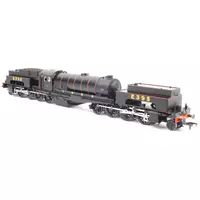
LNER U1 - LNER Lined Black - 2395 - OO Scale - DCC Sound Fitted
-
Heljan
3002
LNER U1 - LNER Unlined Black - 9999 - OO Scale
-
Heljan
3003
LNER U1 - BR Black (British Railways) - 69999 - OO Scale
-
Heljan
30033
LNER U1 - BR Black (British Railways) - 69999 - OO Scale - DCC Sound Fitted
-
Heljan
3004
LNER U1 - BR Black (Early Emblem) - 69999 - OO Scale
-
Heljan
30043
LNER U1 - BR Black (Early Emblem) - 69999 - OO Scale - DCC Sound Fitted
-
Heljan
3005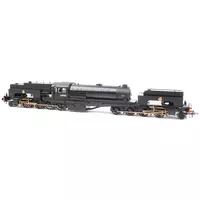
LNER Class U1 2-8-0 0-8-2T Beyer Garratt BR Early Emblem Black No.69999 (oil fired/headlight) Steam Locomotive
-
Heljan
30053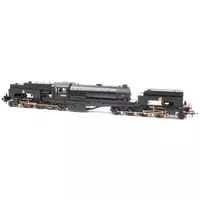
LNER U1 - BR Black (Early Emblem) - 69999 (Oil Fired) - OO Scale - DCC Sound Fitted
-
Heljan
3001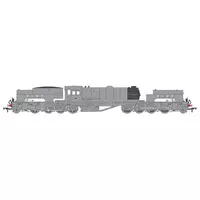
LNER U1 - LNER Works Grey - 2395 - OO Scale
-
Heljan
30013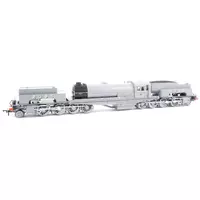
LNER U1 - LNER Works Grey - 2395 - OO Scale - DCC Sound Fitted
Heljan LNER Class U1 2‑8‑0+0‑8‑2T Beyer Garratt model, OO scale, representing the prototype built by Beyer, Peacock & Co in 1925. The model carries the manufacturer part number 30023 and depicts the locomotive in LNER black liveried “No 2395” as it appeared at the LNER Stockton & Darlington Railway centenary cavalcade of 1925. It is intended to illustrate the “Big Four” era (LNER, LMS, GWR and SR).
The kit is supplied DCC Ready and includes factory‑fitted DCC Sound, a twin motor/flywheel drive, 21‑pin DCC interface, working LED lamps and factory‑mounted speakers. Optional configurations allow the locomotive to be modelled as coal‑fired or oil‑fired; other standard features include sprung buffers, removable cab roof, smoke‑unit compatibility, NEM couplings and extensive detail variations such as pipework, cable runs and removable cab components.
The model has been developed in consultation with the National Railway Museum, the Manchester Museum of Science and Industry’s Beyer Peacock archive and the Gresley Society, and is part of an exclusive “Railway Icons” collectors’ edition produced with Rails of Sheffield and Locomotion Models. Production is limited; tooling is complete and the first working samples are expected in January 2024, with an initial release planned for early 2025 to coincide with the locomotive’s centenary.