Oxford OR76N7003
Class N7 0-6-2 BR Early 69612 Steam Locomotive
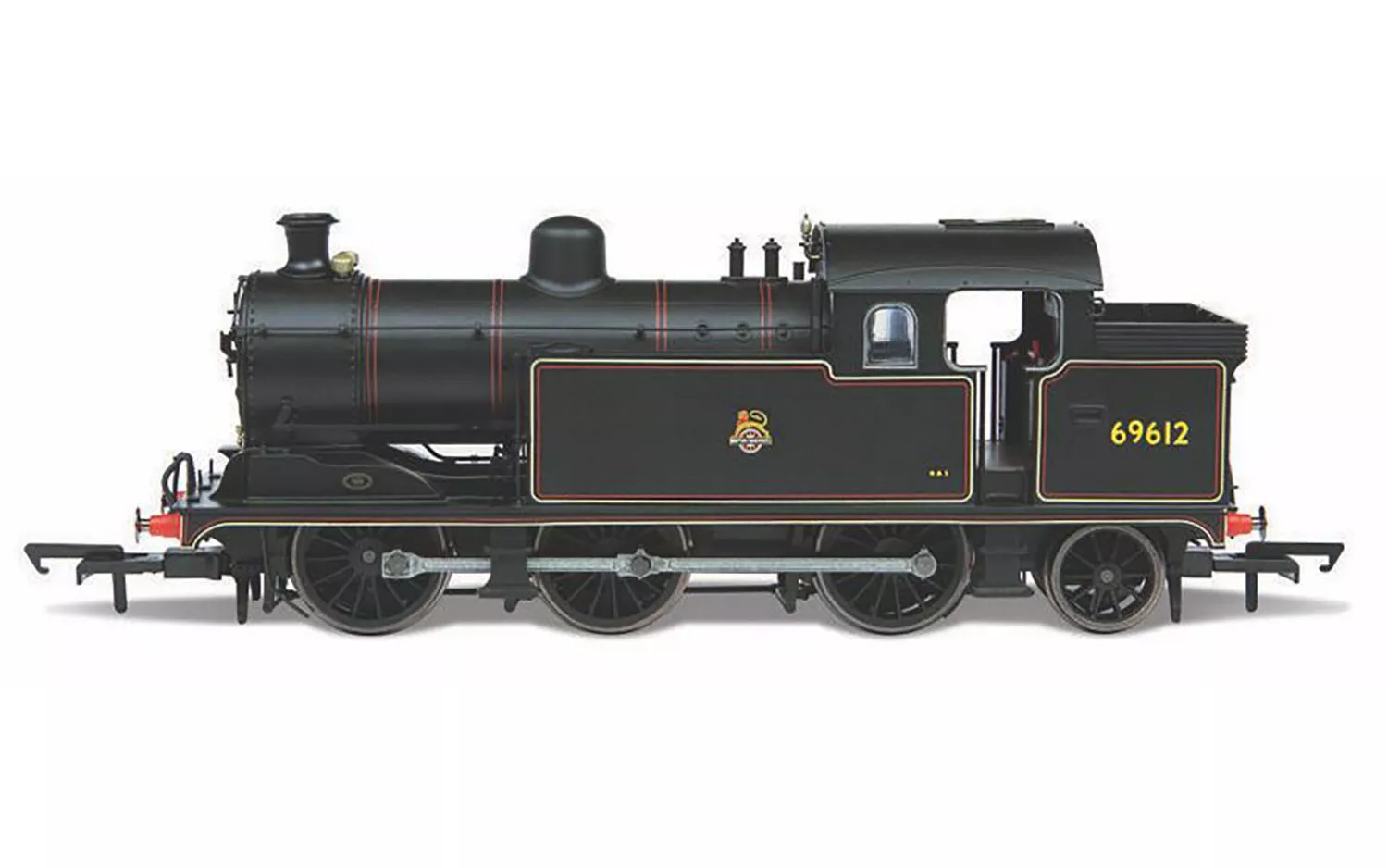
Manufacturer catalogue image - please note that pre-release images may be CAD renders or CGI/AI images rather than photographs
Prototype Era
Era 4 (1948 to 1956) British Railways Early Crest
Manufacturer description
The N7 locomotive was designed in 1915 by Alfred John Hill and a total of 134 locomotives were built between five different works between 1915 and 1928. 20 locomotives were built at the Stratford Works, 40 at the Gorton Works, 20 at the Robert Stephenson & Company, 20 at the William Beardmore & Company and the final 32 were built at the Doncaster Works. These locomotives lasted until 1957 where the withdrawral of the class started with the final one withdrawn in 1962. One of these locomotives survived in preservation and lives on static display at the East Anglian Railway Museum.
FEATURES
- Smooth Running 5 Pole motor
- Pick ups on all drive wheels
- Pick ups on front and rear wheel sets
- High definition livery specification
- Separately fitted detail components
- Motor Gearing to reflect scale speed operation
- Highly detailed cab interior
- NEM Couplings
- DCC Ready
MEASUREMENTS
- LENGTH 213mm
Catalogue listing
Model details
Prototype information
* Class names often change over the lifespan of a locomotive, so this is not necessarily the class name used by the operator in the period modelled.
Supplier Links


Supplier links are provided for your convenience and do not guarantee that the product is currently available. RailwayModels.uk is not a representative of these suppliers, but may receive a commission when purchases are made through links on this page.
Related products
-
Oxford
OR76N7001
GER K85 (N7) 0-6-2 No.1002
-
Oxford
OR76N7001XS
GER K85 (N7) 0-6-2 No 1002 DCC Sound
-
Oxford
OR76N7002
LNER N7 0-6-2 No 8011
-
Oxford
OR76N7002XS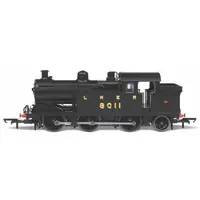
LNER N7 0-6-2 No 8011 DCC Sound
-
Oxford
OR76N7003XS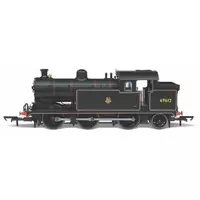
BR (early BR) N7 0-6-2 No 9621 DCC Sound
-
Oxford
OR76N7004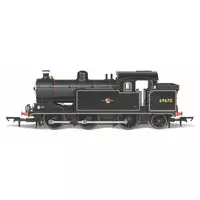
Class N7 BR Black Late Crest 0-6-2 Tank Locomotive No.69670
-
Oxford
OR76N7004XS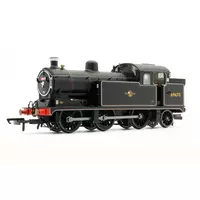
N7 0-6-2 69670 BR Late (DCC-Sound)
Oxfordshire Class N7 0-6-2 BR Early 69612 is a model steam locomotive in pristine condition, finished in black with the early British Railways emblem. It carries the running number 69612 and is DCC ready with an 8‑pin socket.
The model measures 213 mm in length and can negotiate a minimum curve of the 2nd radius (438 mm). It is fitted with a 5‑pole skew‑wound motor, pick‑ups on all drive wheels as well as on the front and rear wheel sets, and NEM couplings. Motor gearing is set to reflect scale‑speed operation.
The prototype was designed by Alfred John Hill between 1915 and 1928. A total of 134 locomotives were built at five works: Stratford (20), Gorton (40), Robert Stephenson & Co (20), William Beardmore & Co (20) and Doncaster (32). They were in service with the Great Eastern Railway L77 and later British Railways, with withdrawal beginning in 1957 and the final engine withdrawn in 1962. One example survives on static display at the East Anglian Railway Museum.
Features of the model include a highly detailed cab interior, separately fitted detail components, high‑definition livery specification and DCC readiness. The wheel arrangement is 0‑6‑2T, the colour is black and the motive power is represented as steam.