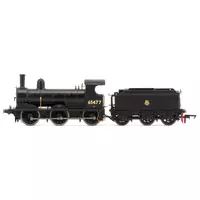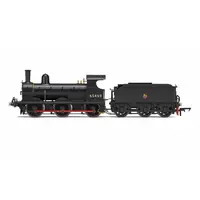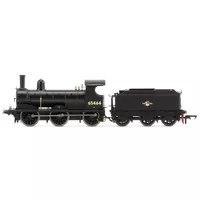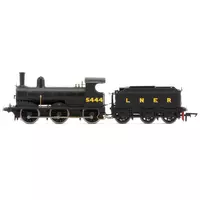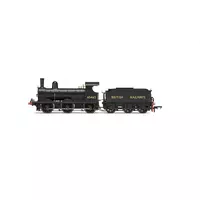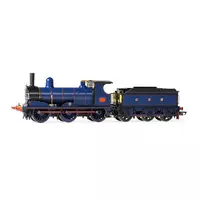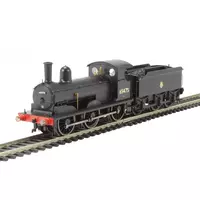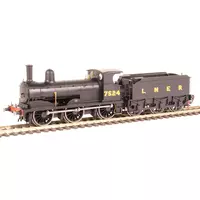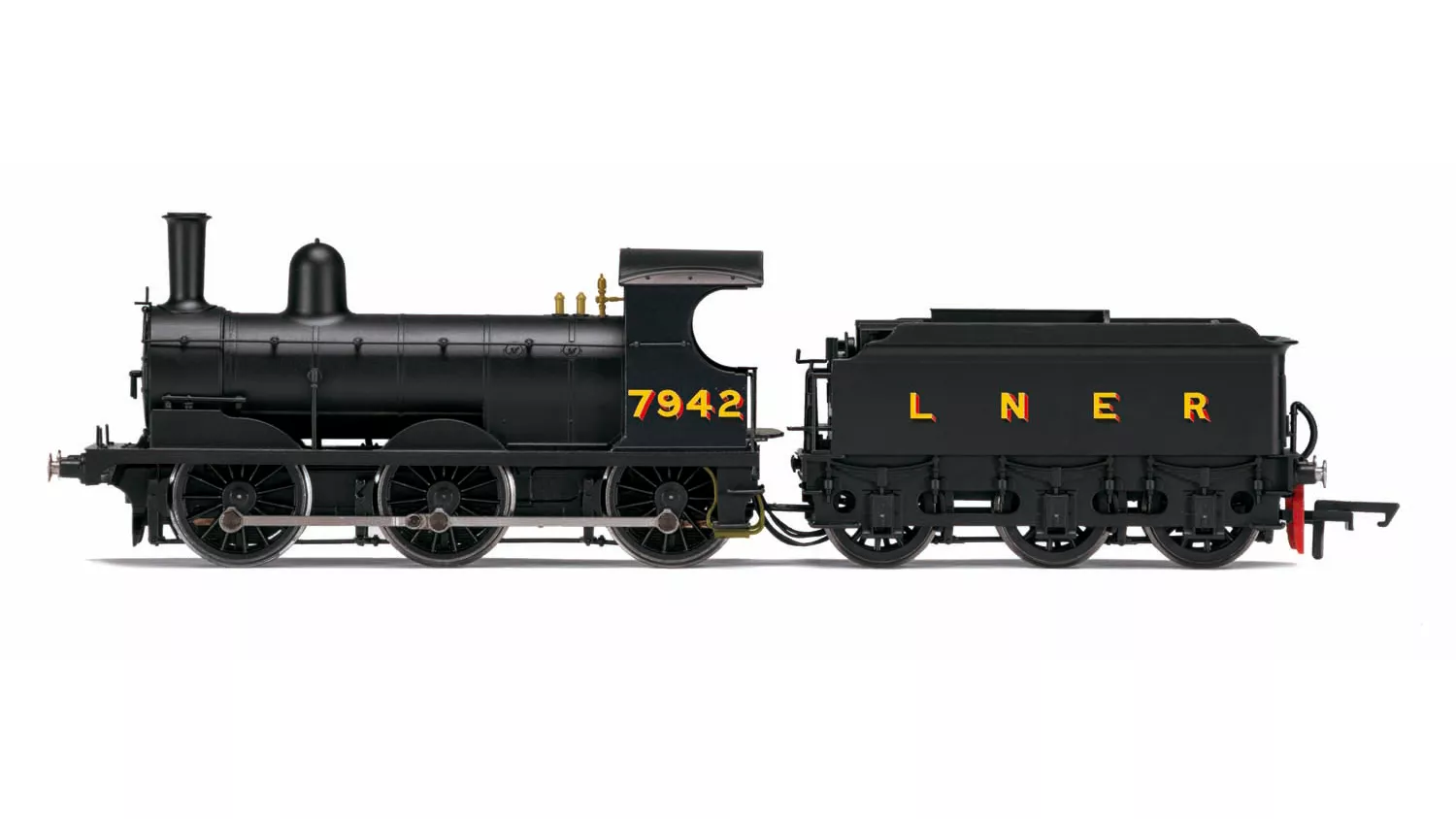
Manufacturer catalogue image - please note that pre-release images may be CAD renders or CGI/AI images rather than photographs
Prototype Era
Era 3 (1923 to 1947) The Big Four (LNER, LMS, GWR and SR)
Manufacturer description
Designed by T.W Worsdell, the GER Class Y14 (LNER Class J15) was his solution to the lack of suitable freight locomotives available on the Doncaster route. The first Y14s were built in July 1883 and they became the Great Eastern Railway's most common locomotive type, with a total of 259 being built in 27 batches. The secret of their success was their simple design and in 1891, the Great Eastern Railway set the world record for erecting a steam locomotive, No. 930 being assembled at Stratford in just 9 hours and 45 minutes.
Hauling both freight and passenger stock and with a very low axle loading, they could run virtually anywhere on the Great Eastern's network. Withdrawals from service started to take place during the early 1920s, seventeen disappearing before Grouping in 1923. As the numbers of locomotives reduced, so the roles assigned to the J15s changed, local freight and cross-country passenger services becoming typical. Rarely allocated outside East Anglia, scrapping of the class recommenced in 1947, just seventy one engines making it through to Nationalization, the last four being withdrawn from service on September 16, 1962. Locomotive 7942 was built at Stratford Works and entered traffic during September 1892 as GER No.942, being allocated to Ipswich Shed initially.
The renumbering to LNER No.7942 took place quite late after Grouping, on June 26, 1926 and was following by a move to Colchester Shed on April 11, 1929. Allocations to Kings Lynn in 1939 and Cambridge in 1949 followed and it was from here that, in October 1956, the locomotive was withdrawn from service.
Maximum curve Hornby 2nd radius + / 438mm+.
Catalogue listing
Model details
Prototype information
Sharp, Stewart & Co
London & North Eastern Railway
British Railways
* Class names often change over the lifespan of a locomotive, so this is not necessarily the class name used by the operator in the period modelled.
Supplier Links



Supplier links are provided for your convenience and do not guarantee that the product is currently available. RailwayModels.uk is not a representative of these suppliers, but may receive a commission when purchases are made through links on this page.