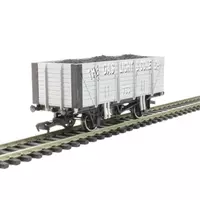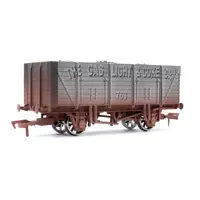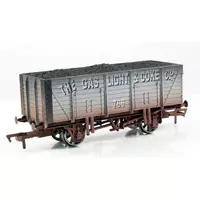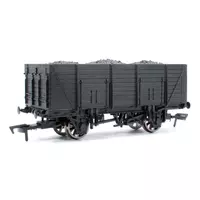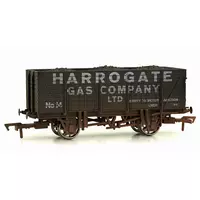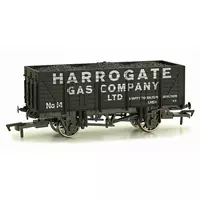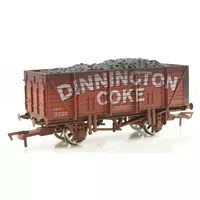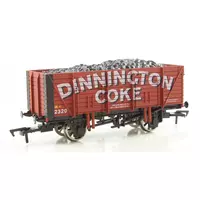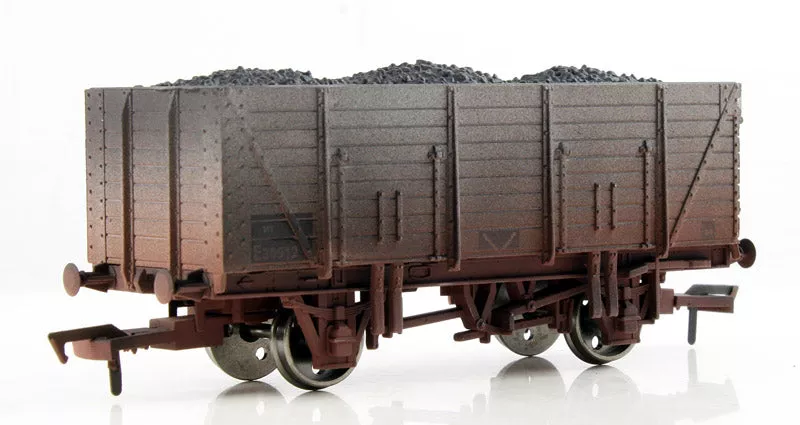
Manufacturer catalogue image - please note that pre-release images may be CAD renders or CGI/AI images rather than photographs
Prototype Era
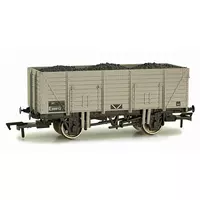
Era 4 (1948 to 1956) British Railways Early Crest
Manufacturer description
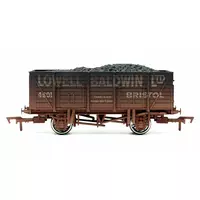
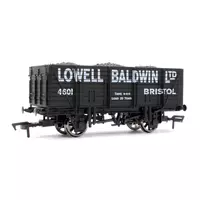
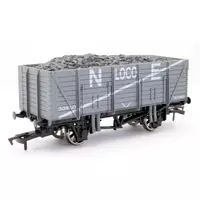
PROTOTYPEThe 9 plank open wagon was introduced in the 1930s to offer a more efficient and cost effective method of delivering coal to high demand customers. The 9 plank wagon had a carrying capacity of 20 tonnes and to assist in loading/unloading had two doors per side, an end door and some variants even had opening hatches on the underside.
Many 9 plank wagons were privately owned and carried a large variety of liveries.
MODELThese model 9 plank wagons are highly detailed and will be a great addition to your rolling stock.
FEATURES- Profiled wheels
- Finely moulded body
- Accurately applied livery
- Complete with coal/coking coal load
- NEM pockets with self-centring couplers
Catalogue listing
Model details
Supplier Links


Supplier links are provided for your convenience and do not guarantee that the product is currently available. RailwayModels.uk is not a representative of these suppliers, but may receive a commission when purchases are made through links on this page.