Manufacturer catalogue image - please note that pre-release images may be CAD renders or CGI/AI images rather than photographs
Prototype Eras
Era 2 (1875 to 1923) Pre-grouping
Era 3 (1923 to 1947) The Big Four (LNER, LMS, GWR and SR)
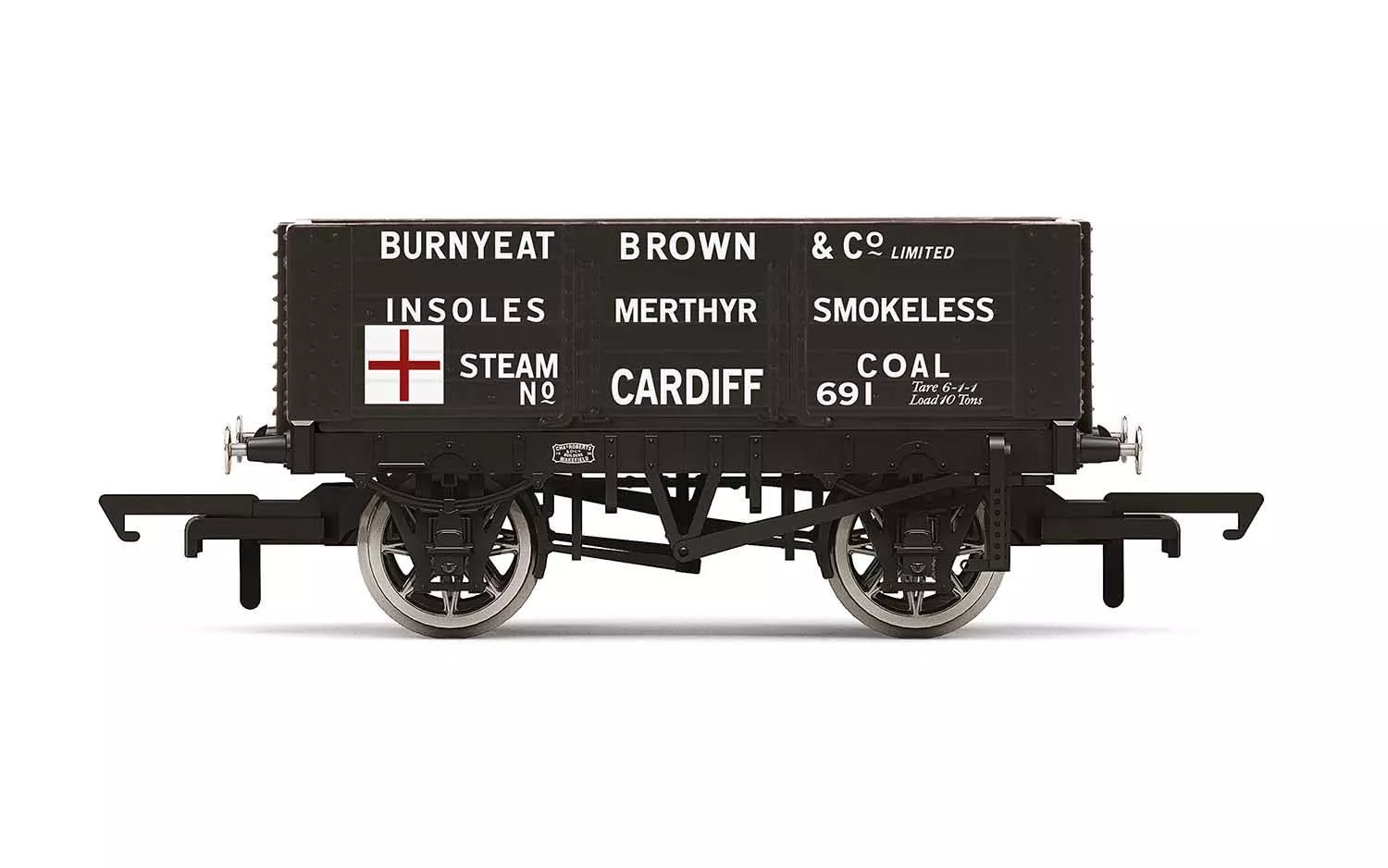
This six-plank wagon, No. 691, is presented in a livery belonging to Burnyeat Brown & Co. Limited. The wagon would have been based in Cardiff and could take a load of up to 10 Tons.
This wagon represents the typical freight that would be found on Britain's railways in both the 19th and 20th century.
Video links are generated algorithmically and may not necessarily be this precise product.
Supplier links are provided for your convenience and do not guarantee that the product is currently available. RailwayModels.uk is not a representative of these suppliers, but may receive a commission when purchases are made through links on this page.
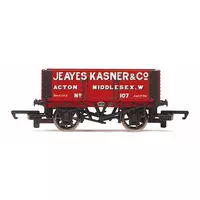
Hornby
R6815
6 Plank Wagon, Jeayes Kasner & Co. - Era 3
Hornby
R6816
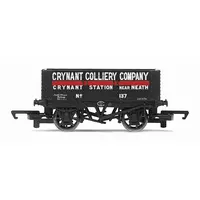
6 Plank Wagon, Crynant Colliery Company - Era 3
Hornby
R6817
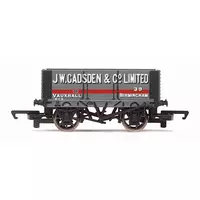
6 Plank Wagon, J W Gadsden - Era 3
Hornby
R6949
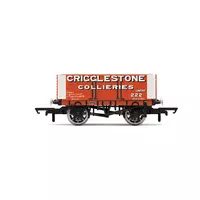
Crigglestone Collieries, 6 Plank Wagon, No. 222 - Era 2/3
Hornby
R6950
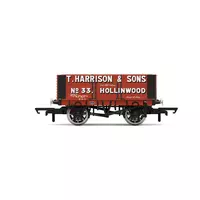
H. Harrison & Sons, 6 Plank Wagon, No. 33 - Era 2/3
Hornby
R6872
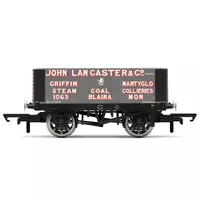
6 Plank Wagon, John Lancaster - Era 3
Hornby
R6871
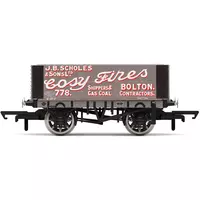
6 Plank Wagon, Scholes & Sons - Era 3
Hornby
R6754
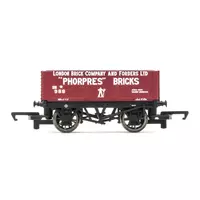
6 Plank Wagon, London Brick Company - Era 3
Hornby
R6870
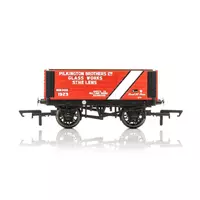
6 Plank Wagon, Pilkington Bros. 1923- Era 3
Hornby
R6902
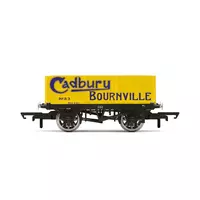
6 Plank Wagon, 'Cadbury Bournville' No. 83 - Era 2
Hornby
R6873
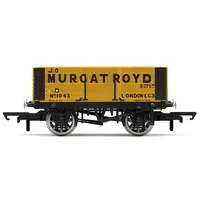
6 Plank Wagon, 'J.O Murgatroyd' No. 1043 - Era 2
Hornby
R60004
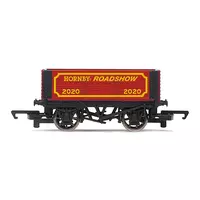
Roadshow Wagon - 2020
Hornby 6 Plank Wagon, Burnyeat Brown & Co. – Era 2 is a OO gauge model in black finish, presented in pristine condition. It carries the running number 691 and uses a NEM coupling. The wagon measures 71 mm in length and is suitable for a minimum radius curve of 1st Radius (371 mm). Its manufacturer part number is R60025 and it is listed under the livery of Burnyeat Brown & Co., the operator named on the model.
The model represents a pre‑grouping six‑plank freight wagon that would have operated from Cardiff, capable of carrying up to ten tons. It illustrates the type of freight wagon commonly seen on Britain’s railways during the 19th and early 20th centuries.