Bachmann 32-441
Class 24/1 D5149 BR Green (Small Yellow Panels)
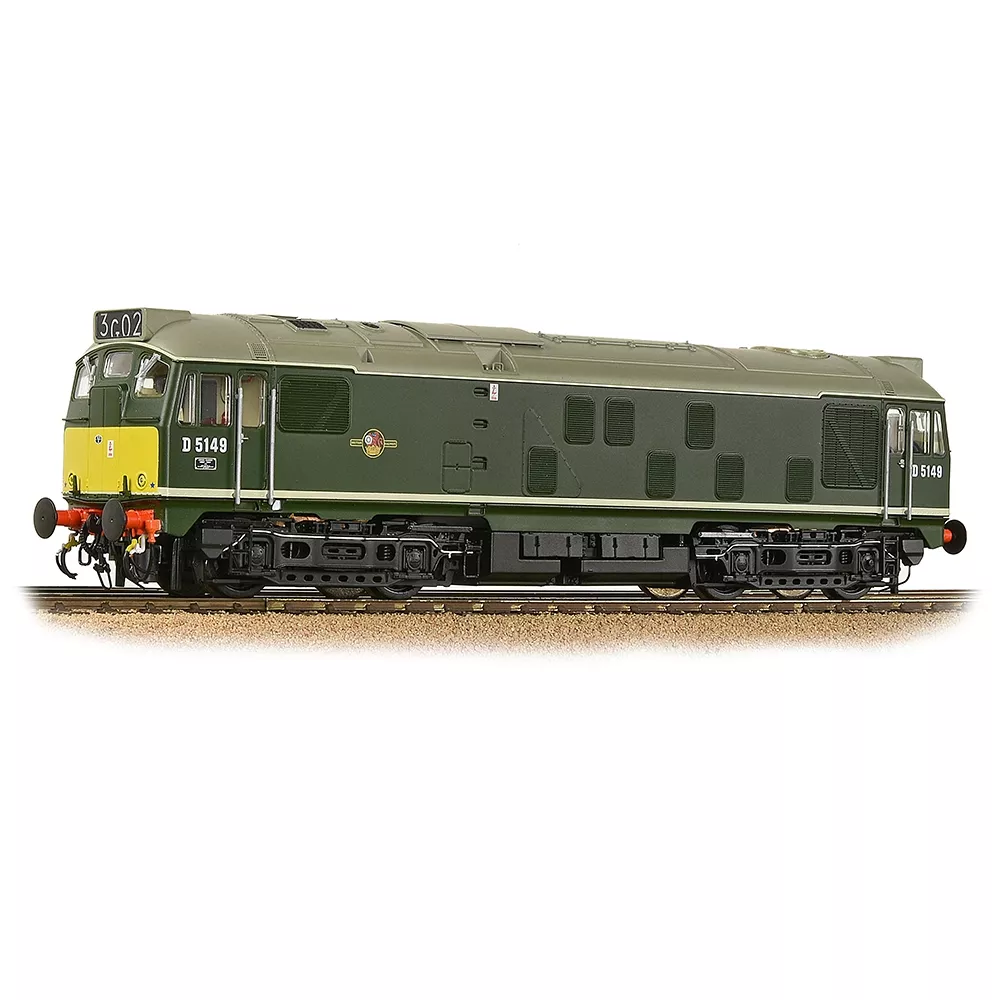
Manufacturer catalogue image - please note that pre-release images may be CAD renders or CGI/AI images rather than photographs
Prototype Era
Era 5 (1956 to 1966) British Railways Late Crest
Manufacturer description
Class 24/1 D5149 BR Green Small Yellow Panel
Built: 1960 - 1961
Constructed by: BR Derby Works
Duties: mixed traffic
Highlights
• All new model featuring full directional and cab lighting (in DCC operation)
• Sprung buffers
• Pre-fitted speaker for ease of Digital Sound installation
History
Originally designated as Type 2 (later to become Class 24 in the TOPS system), a total of 151 of these diesel-electric locomotives following the 1955 modernization plan. Powered by the 6LDA28-A Sulzer engine that gave an output of 1160bhp the vast majority of the locomotives were built at BR Derby, although some were constructed at Crewe and Darlington, with the first of the class, D5000 completed at Derby in July 1958. It was displayed to the general public during that month at Marylebone Station and although intended for use on the London Midland Region, they went to the Southern Region to deputize for Type 3 ‘Crompton’ diesels that were then running late for delivery.
By the time the entire Type 2 fleet was in traffic, they could be found operating on all regions with the exception of the Western. With a life span of 28 years these small, yet versatile, locomotives gave excellent service in all manner of roles in both branch and main line duties, either singularly or working in multiples. Removal from service of the Class began in the late 1960s, with the final locomotive being withdrawn in 1981.
Catalogue listing
Model details
Directional lighting
Prototype information
BR Darlington Works
BR Crewe Works
* Class names often change over the lifespan of a locomotive, so this is not necessarily the class name used by the operator in the period modelled.
Supplier Links


Supplier links are provided for your convenience and do not guarantee that the product is currently available. RailwayModels.uk is not a representative of these suppliers, but may receive a commission when purchases are made through links on this page.
Related products
-
Bachmann
32-440
Class 24/1 D5135 BR Green (Late Crest)
-
Bachmann
32-442
Class 24/1 24137 BR Blue
-
Bachmann
32-442SF
Class 24/1 24137 BR Blue
-
Bachmann
32-441SF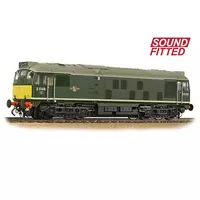
Class 24/1 D5149 BR Green (Small Yellow Panels)
-
Bachmann
32-440SF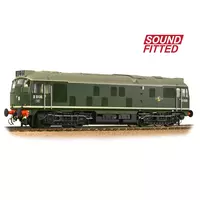
Class 24/1 D5135 BR Green (Late Crest)
-
Bachmann
32-443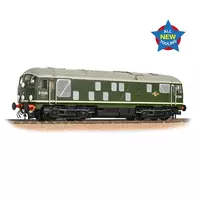
Class 24/1 D5094 Disc Headcode BR Green (Late Crest)
-
Bachmann
32-443SF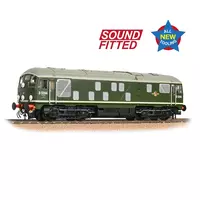
Class 24/1 D5094 Disc Headcode BR Green (Late Crest)
-
Bachmann
32-444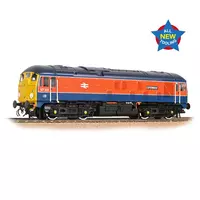
Class 24/1 97201 'Experiment' Disc Headcode BR RTC (Original)
-
Bachmann
32-444SF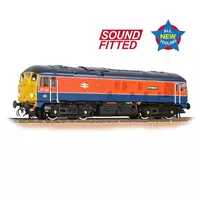
Class 24/1 97201 'Experiment' Disc Headcode BR RTC (Original)
-
Bachmann
32-416SF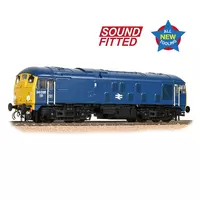
Class 24/0 24035 Disc Headcode BR Blue
-
Bachmann
32-415SF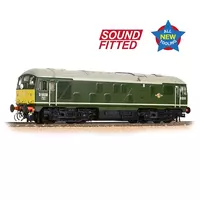
Class 24/0 D5036 Disc Headcode BR Green (Small Yellow Panels)
-
Bachmann
32-416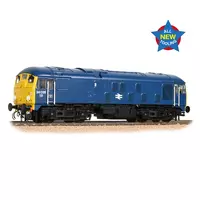
Class 24/0 24035 Disc Headcode BR Blue
-
Bachmann
32-415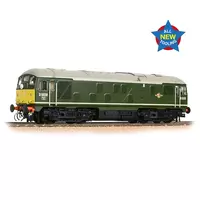
Class 24/0 D5036 Disc Headcode BR Green (Small Yellow Panels)
-
Bachmann
32-425
Class 24 24081 in BR Blue
-
Bachmann
32-426
Class 24 D5054 in BR Green
-
Bachmann
32-427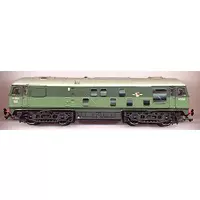
Class 24 Derby D5085 in Two Tone Green
-
Bachmann
32-430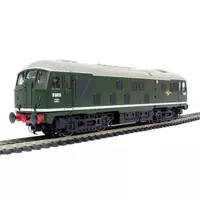
Class 24 D5013 in BR Plain Green
-
Bachmann
32-425W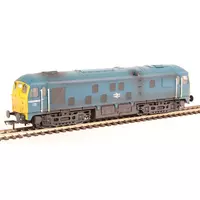
Class 24 RDB968007 in BR Research Department Blue (Weathered) - Limited Edition for Modelzone
-
Bachmann
32-425DS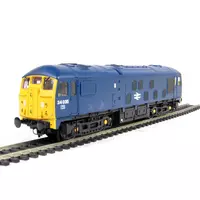
Class 24 24035 in BR Blue (DCC Sound Fitted)
-
Bachmann
32-425V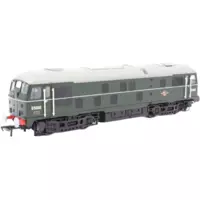
Class 24 D5000 in BR Green - Invicta Model Rail limited edition
-
Bachmann
32-428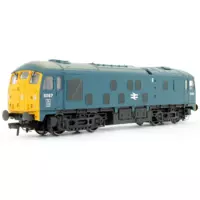
Class 24 5087 in BR blue
-
Bachmann
32-430A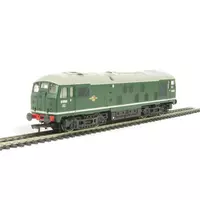
Class 24 D5030 in BR Plain Green
-
Bachmann
32-430B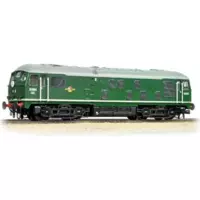
Class 24 D5061 in BR green with no yellow ends
-
Bachmann
32-431DC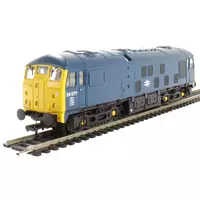
Class 24 24077 in BR Blue - DCC fitted
-
Bachmann
32-429DS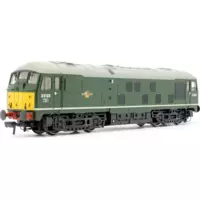
Class 24 D5100 in BR green with small yellow panels - Digital sound fitted
-
Bachmann
32-425Y
Class 24 D5072 in BR Two Tone Green Livery (weathered) - Limited Edition for Kernow Model Rail Centre Ltd
-
Bachmann
32-425Z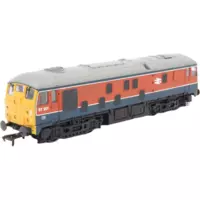
Class 24 97201 in RTC Livery - Limited Edition for Rail Express
-
Bachmann
32-426DS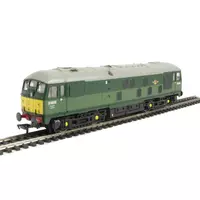
Class 24 D5038 in BR two tone green with small yellow panels - Digital sound fitted
-
Bachmann
32-429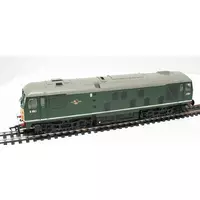
Class 24 Derby D5011 in BR green
-
Bachmann
32-425X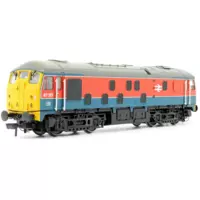
Class 24 97201 in BR RTC Blue & Red Livery - Limited Edition for Modelzone
This model represents a Type 2 diesel-electric locomotive, later classified under the TOPS system as the Class 24. These locomotives were introduced following the 1955 modernisation plan and were powered by a Sulzer 6LDA28-A engine, delivering 1160bhp. Constructed primarily at BR Derby Works, they were versatile machines employed for mixed traffic duties across almost all British Railways regions throughout their operational life.
The locomotive features directional and cab lighting, which is accessible during DCC operation. Additional technical features included on this model are sprung buffers and an integrated speaker designed to simplify the installation of digital sound equipment.