Hornby R3523
BR, B17/6 Class, 4-6-0, 61665 'Leicester City' - Era 4
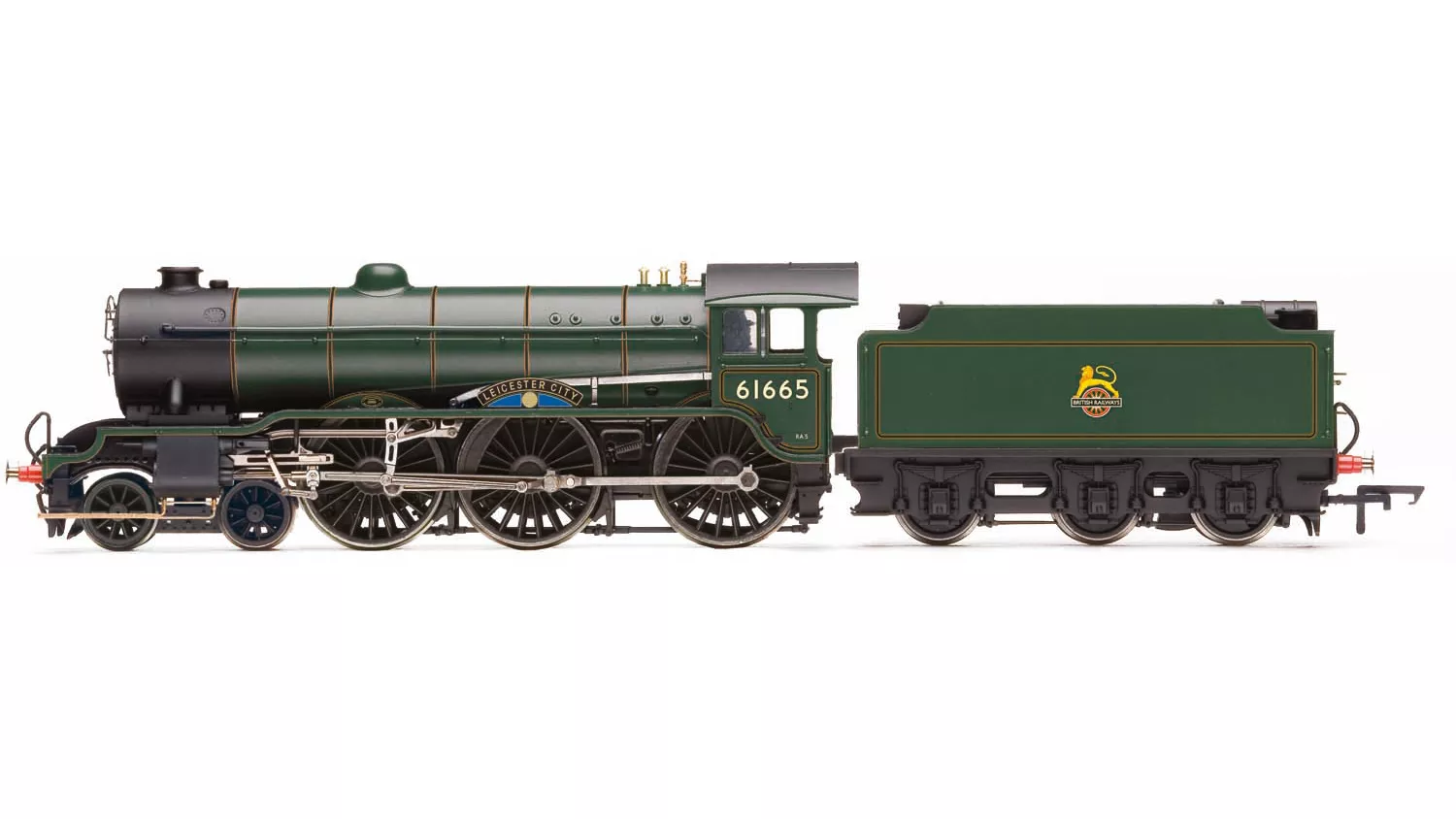
Manufacturer catalogue image - please note that pre-release images may be CAD renders or CGI/AI images rather than photographs
Prototype Era
Era 4 (1948 to 1956) British Railways Early Crest
Manufacturer description
In 1926, with increased loading on the East Anglia passenger services and the introduction of modern, vacuum-braked coaching stock, there was a desperate need for a locomotive that could supplement the Holden B12 Class on the former Great Eastern routes of the London North Eastern Railway. Track limitations prevented the transfer of locomotives from other regions and so Nigel Gresley was tasked by the LNER to produce a three cylinder 4-6-0 design, using the cylinder and motion arrangement of the D49, but with a tractive effort of about 25,000lb and a relatively light axle loading of 17 tons.
The resulting Class B17 design arose from Doncaster Works' inability to completely satisfy Gresley's specification and the resulting contract for the detailed design and building of the class was, in 1927, given to the North British Locomotive Company in Glasgow. Using some of the features from a batch of A1 Pacific locomotives they had built in 1924, along with some features from the Royal Scot Class produced for the LMS, the cab, cylinders, and motion were all copied directly or modified slightly whilst most of the boiler design was taken from the Class K3 and Class O2 designs. Darlington Works assisted by providing drawings for the bogies, with Stratford Works providing the design for the Great Eastern type 3,700 gallon tender. The eventual axle loading was 18 tons and several modifications were required before the first B17, No.2802 Walsingham, was delivered on November 20, 1928, but between 1930 and 1937, a total of seventy three B17 locomotives were produced by the LNER's Darlington Works, Robert Stephenson & Company and North British.
The first ten locomotives delivered by the North British Locomotive Company were designated B17 (later as B17/1), whilst the second and third batches, having boilers supplied by Armstrong Whitworth and different springing, were identified as B17/2.The next two batches, again with different springing, were designated B17/3, but as the locomotives passed through the works the original springs were replaced by those of the later design and in 1937 the three sub-classes were merged together as B17/1. The final Darlington batch introduced in 1936, as well as those built by Robert Stephenson and Company, had 4,200 gallon tenders and were intended for use in the North Eastern area of the LNER.
In September 1937, No.2859 Norwich City and 2870 Tottenham Hotspur were streamlined in a similar style to Gresley's A4s, renamed East Anglian and City of London and designated B17/5. The streamlining was cladding for publicity purposes only on the East Anglian service, having little effect on the overall speed of the locomotive and in April 1951 was removed.
Between 1943 and 1957, most of the surviving members of the class were rebuilt with a 100A boiler for increased pressure and were designated as B17/6. Locomotive 61665 Leicester City entered service as LNER No.2865 in January 1937, having been built at the Robert Stephenson works as a B17/4. The locomotive's first allocation was to Sheffield, followed by a short period at Gorton until late July 1938, when it was allocated to its home town of Leicester. Further spells at Cambridge and Doncaster were followed by a return to East Anglian sheds at Ipswich, Yarmouth and Norwich.
Maximum curve Hornby 2nd radius + / 438mm+.
Catalogue listing
Model details
Prototype information
Darlington Works
R. Stephenson & Co
British Railways
* Class names often change over the lifespan of a locomotive, so this is not necessarily the class name used by the operator in the period modelled.
Supplier Links



Supplier links are provided for your convenience and do not guarantee that the product is currently available. RailwayModels.uk is not a representative of these suppliers, but may receive a commission when purchases are made through links on this page.
Related products
-
Hornby
R3447
LNER, B17/2 Class, 2-6-0, 2842 'Kilverstone Hall' - Era 3
-
Hornby
R3448
BR, B17/4 Class, 4-6-0, 61619 'Welbeck Abbey' - Era 4
-
Hornby
R3588
LNER, B17 Class, 4-6-0, 2864 'Liverpool' - Era 3
-
Hornby
R1214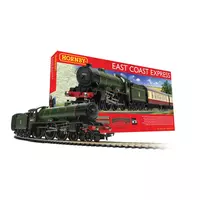
East Coast Express Train Set
-
Hornby
R30137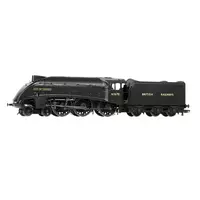
BR, Class B17/5, 4-6-0, 61670 'City of London' - Era 4
-
Hornby
R30136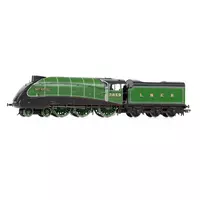
LNER, Class B17/5 4-6-0, 2859 'East Anglian' - Era 3
-
Hornby
R30406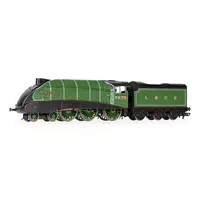
LNER - Streamlined B17 - 2870 'City of London'
-
Hornby
R30433
RailRoad: BR (Late) - B17 Class - 61652 'Darlington'
-
Hornby
R3318
Class B17/6 4-6-0 61646 Gilwell Park in BR Green with early emblem
-
Hornby
R3163
Class B17 4-6-0 Manchester United 61662 in BR Green (Weathered) - Special Edition
-
Hornby
R2921X
Class B17/2 Sandringham 4-6-0 61637 Thorpe Hall in BR Green with early crest DCC Fitted
-
Hornby
R2920X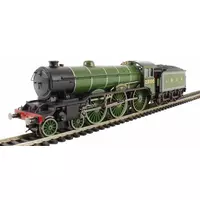
Class B17/1 Sandringham 4-6-0 2800 Sandringham in LNER Green - DCC fitted
-
Hornby
R3004X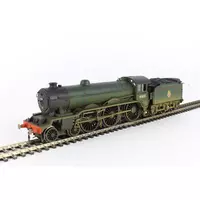
Class B17 4-6-0 61631 Serlby Hall in BR Green with early emblem - weathered and DCC fitted
-
Hornby
R3003X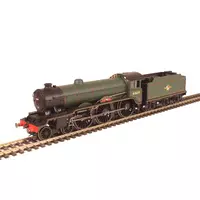
Class B17 4-6-0 61669 Barnsley in BR green with late crest - DCC Fitted
-
Hornby
R2922X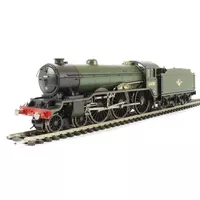
Class B17/6 Sandringham 4-6-0 61650 Grimsby Town in BR Green with late crest - DCC Fitted
-
Hornby
R2920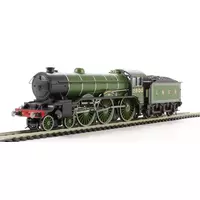
Class B17/1 Sandringham 4-6-0 2800 Sandringham in LNER Green
-
Hornby
R2921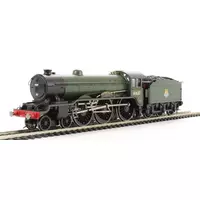
Class B17/2 Sandringham 4-6-0 61637 Thorpe Hall in BR green with early crest
-
Hornby
R2922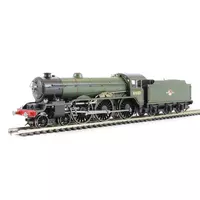
Class B17/6 Sandringham 4-6-0 61650 Grimsby Town in BR Green with late crest
-
Hornby
R3003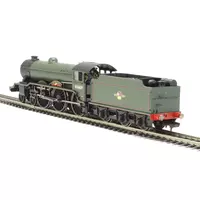
Class B17 4-6-0 61669 Barnsley in BR Green with late crest
-
Hornby
R3004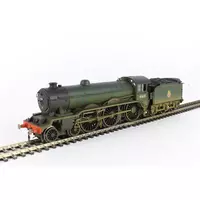
Class B17 4-6-0 61631 Serlby Hall in BR Green with early emblem - weathered
-
Hornby
R053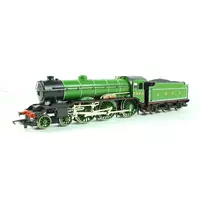
Class B17 4-6-0 Manchester United 2862 in LNER Green
-
Hornby
R188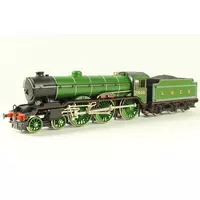
Class B17 4-6-0 2848 Arsenal in LNER Green
-
Hornby
R2014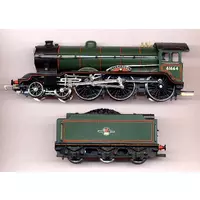
Class B17 4-6-0 61664 Liverpool in BR green with late crest
-
Hornby
R2017
Train Pack, featuring Class B17 4-6-0 Manchester United in LNER Green & 3 LNER Coaches- Key Publishing special edition
-
Hornby
R2038A
Class B17/4 4-6-0 61650 Grimsby Town in BR Green with early crest - Special Edition to Rails of Sheffield
-
Hornby
R2038B
Class B17 4-6-0 61654 Sunderland in BR brunswick green - limited edition for Rails of Sheffield
-
Hornby
R2038C
Class B17 4-6-0 61651 Derby County in BR Black
-
Hornby
R2038D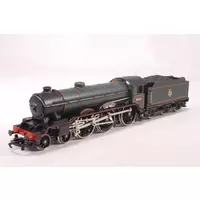
Class B17/4 4-6-0 61649 Sheffield United in BR Green - Rails Limited Edition of 250
-
Hornby
R2044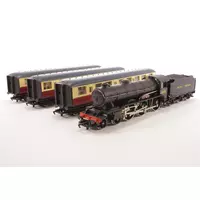
Train Pack including Class B17/4 4-6-0 Liverpool E1664 in BR Black & 3 Crimson/Cream Coaches - Kays special edition
-
Hornby
R2056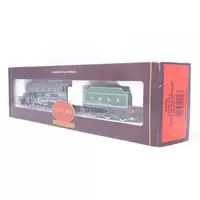
Class B17/4 4-6-0 Doncaster Rovers 2857 in LNER Green
-
Hornby
R2185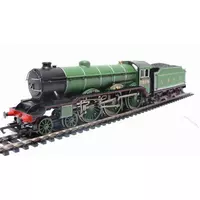
Class B17 4-6-0 2859 Norwich City in LNER Green
-
Hornby
R2209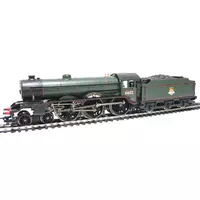
Class B17 4-6-0 61652 Darlington in BR Green with early emblem
-
Hornby
R2273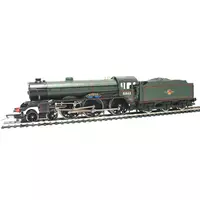
Class B17 4-6-0 61663 Everton in BR green with late crest
-
Hornby
R2319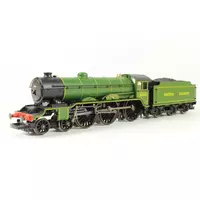
Class B17 4-6-0 Sheffield Wednesday 61661 in BR apple green
-
Hornby
R2532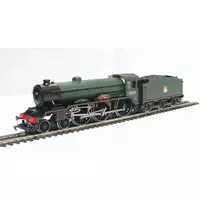
Class B17/4 4-6-0 61648 Arsenal in BR Green with early crest
Current best online offers
-
£0.00 at Amazon

Hornby R3523 BR, B17/6 Class, 4-6-0, 61665 Leicester City - Era 4 Locomotive - Steam
Online offers are generated automatically based on brand name and product code, and may not necessarily be this precise item.
Hornby BRC model of LNER Class B17/6 locomotive No 61665 ‘Leicester City’, in OO gauge. The model measures 249 mm in length, is painted in a lined green livery with the early British Railways emblem, and carries the running number 61665. It is fitted with a five‑pole skew wound motor, an 8‑pin DCC ready socket, NEM couplings, and a 2nd radius minimum curve of 438 mm. The locomotive is powered via the locomotive pickup only and carries the part number R3523.
The prototype was built in January 1937 at the Robert Stephenson works as a B17/4 and later rebuilt to B17/6 specification. Designed by Sir Nigel Gresley for the LNER, the 4‑6‑0 steam locomotive was intended for East Anglia passenger services and carried a 3,700‑gallon (later 4,200‑gallon) tender. Between 1928 and 1937 a total of 73 B17 class engines were produced by North British Locomotive Co, Darlington Works and Robert Stephenson & Co, with an axle load of 18 tons and a tractive effort of about 25,000 lb.
The Hornby model represents the early British Railways crest period and is suitable for use on OO gauge layouts that include British Railways or LNER locomotives. It offers a realistic appearance for collectors and railway modellers seeking a historically accurate representation of the ‘Leicester City’ locomotive.